Home care for older adults in Da Nang
Read more →GÓC CHĂM SÓC
Home care in Da Nang: Seven common misconceptions
✍️ Admin Yori Care📅 08 Aug 2026⏱️ 5 min read
When a loved one is receiving treatment or has just come home from hospital, many families have the same first thought.
“Maybe I can look after them myself.”
The love a family brings is irreplaceable. Looking after someone who is unwell also takes knowledge, practical skills and an understanding of what to look out for each day.
That is why more families are choosing home care in Da Nang. Yet common misconceptions can leave people hesitant about arranging help or unsure which service would suit them.
Here are seven beliefs the Yori Care team often hears.
1. Home care is only for people who are seriously ill
Many families associate home care with severe illness.
People who are well enough to leave hospital may still need help as they recover.
This can include people who are:
Recovering from surgery.
Recovering from a stroke.
Living with a chronic condition in older age.
Finding everyday activities difficult.
The right support from the outset can help keep a person’s health stable and reduce avoidable risks.
2. Home care is just help with meals and washing
Preparing meals and helping someone bathe are only a small part of home care.
A professional home care service in Da Nang can also provide:
Monitoring of health measures set out in the care plan.
Reminders to take medication on time.
Observation of changes that may need attention.
Help with moving around safely.
Coordination with the family during rehabilitation at home in Da Nang when the person’s clinician has recommended it.
Regular updates so the family knows how their loved one is doing.
3. Parents are better off when their children do all the caring
Families know their parents in ways that no one else does.
That bond can remain just as strong when the family shares the work.
Adult children who juggle work and caregiving often lose sleep, feel exhausted and worry about their parent.
A home care nurse can support a family while its members continue to play a central role.
With help with everyday care tasks, family members often have more time to sit with their loved one and enjoy their company.
4. Experience alone is enough
Experience matters.
Caring for someone who is ill also takes professional knowledge and a care plan suited to that person.
Different conditions call for different kinds of attention.
For example:
Someone receiving home care after a stroke has different needs from someone recovering from surgery.
Monitoring a long-term condition can be quite different from monitoring someone’s progress in rehabilitation.
Choosing a team with the right training can give families greater peace of mind.
5. Home care makes people dependent
Some families worry that having help on hand will discourage a loved one from moving around.
Good home care starts with what the person can do independently.
The caregiver offers a hand when it is needed.
They offer encouragement in a way that suits the person.
That gives the person room to do as much for themselves as they can.
Supporting independence matters throughout a long recovery.
6. People who are ill only need physical care
A nourishing meal matters.
So does a good night’s sleep.
Another part of recovery can easily be overlooked.
How does the person feel?
After a long period of treatment, people may lose confidence, feel low or worry that they have become a burden to their family.
A conversation, a few encouraging words or simply someone who listens can lift their spirits during recovery.
At Yori Care, emotional support is part of every care plan.
7. Families should wait until they are overwhelmed to ask for help
Many families reach out only after they are exhausted.
Arranging support earlier can help in several ways:
Someone can keep a closer eye on the person’s condition.
Family members feel less pressure.
Care can continue more consistently.
Everyday activities carry fewer avoidable risks.
It can be tempting to keep trying to manage everything yourself.
Sometimes the best decision is recognizing when another pair of hands would help.
How Yori Care supports families at each stage
Each person’s experience of illness and recovery is different.
Some people need help for a few hours each day.
Others need support over the longer term.
One person may need care after surgery. Another may be looking for home care for older adults in Da Nang, while someone else is working on exercises after a stroke.
At Yori Care, the care plan reflects those differences.
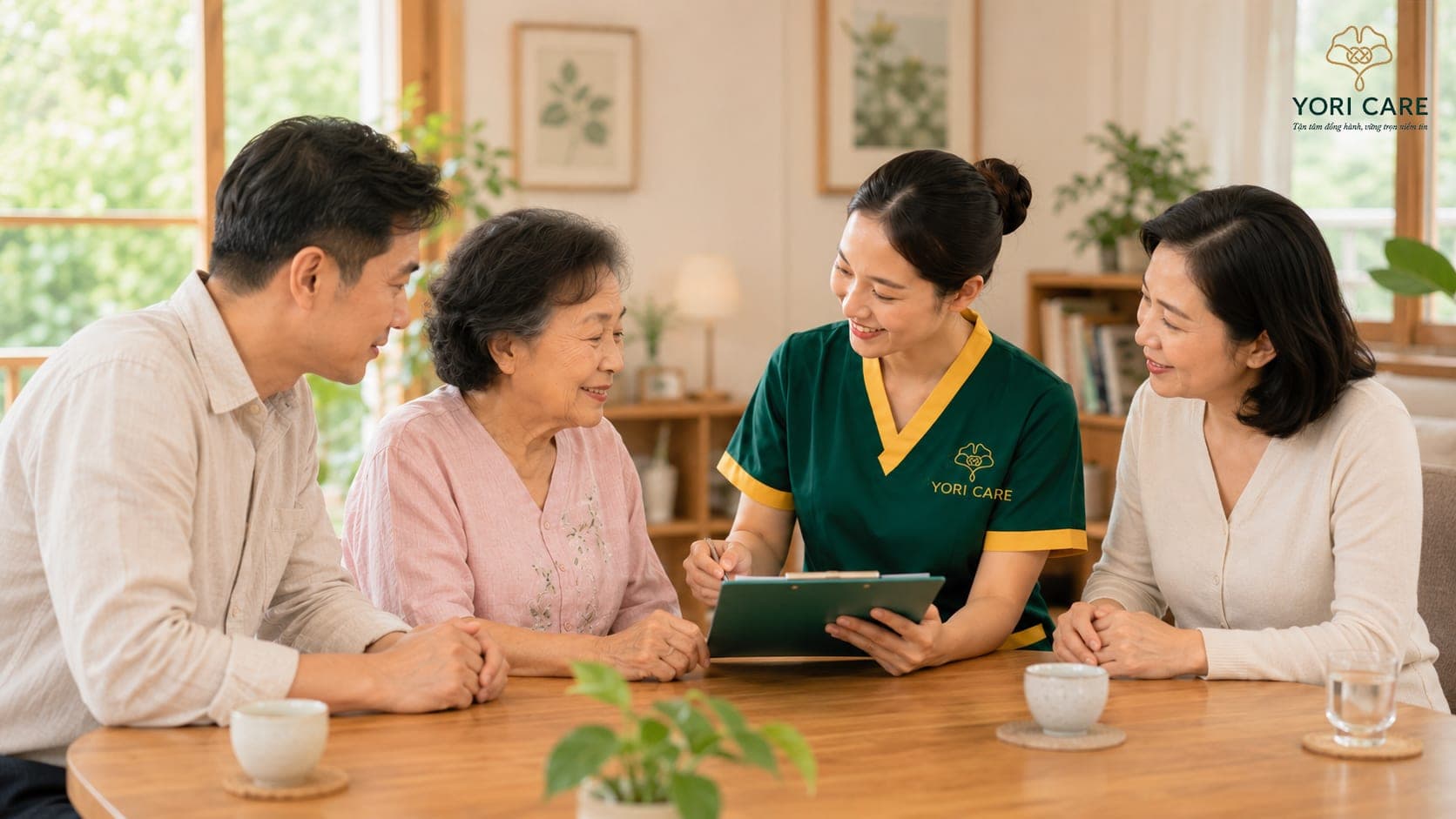
Our team assesses the person’s condition, listens to the family’s wishes and works with them on a plan that meets their needs.
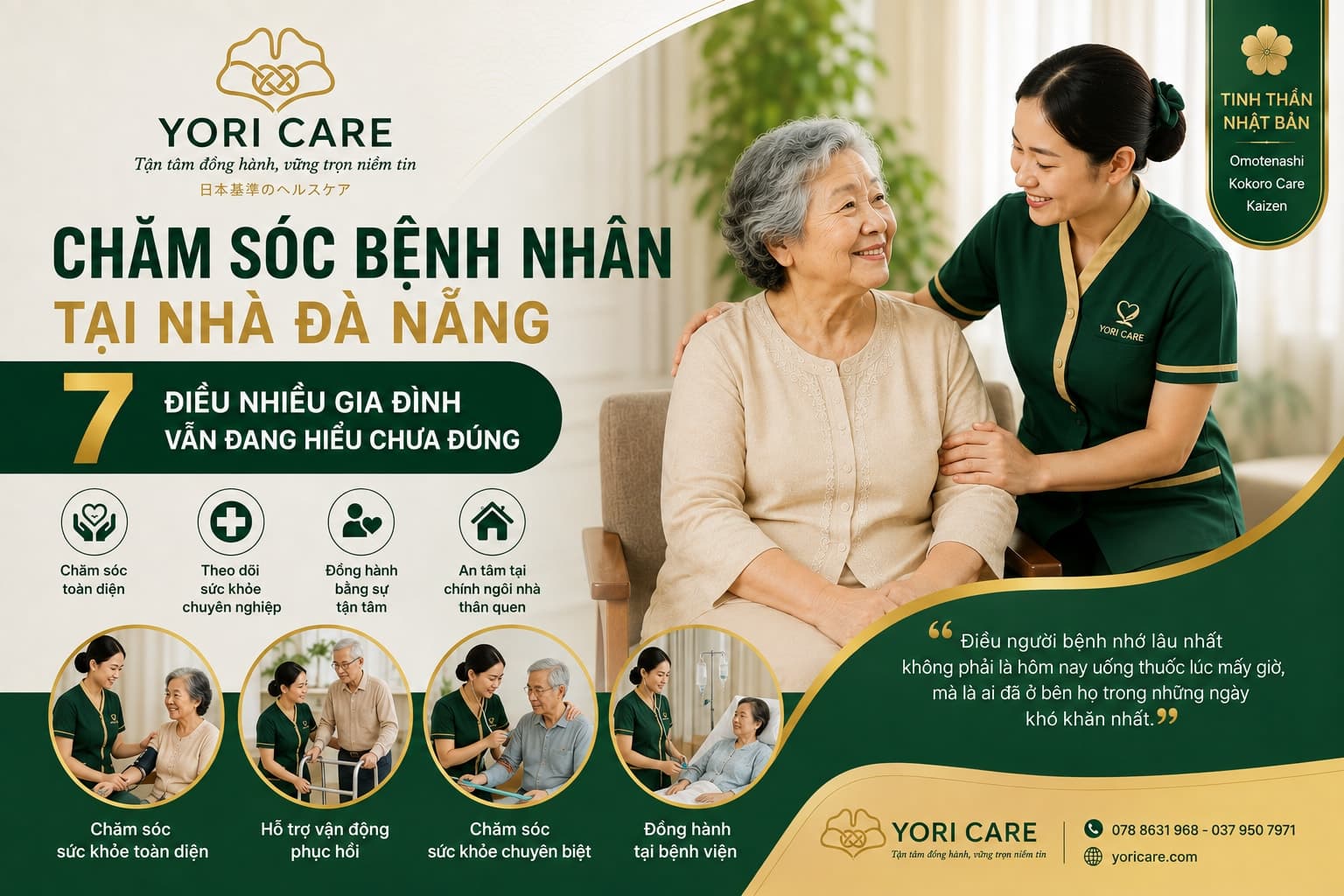
Our approach draws on the Japanese principles of Omotenashi, Kokoro Care and Kaizen. With each visit, we want the person to feel cared for, respected and supported.
A reflection from the Yori Care team
One thought has stayed with our team:
“Long after someone has forgotten what time they took their medicine, they remember who sat beside them on the hardest days.”
We believe care begins with being present. Professional skills help keep people safe, and genuine concern can give them the encouragement they need to keep going.
Choosing care that fits your family
There is no single formula for caring for someone at home. Each person has their own health needs, circumstances and preferences. The right arrangement provides the monitoring they need while helping them feel comfortable in familiar surroundings.
If you are looking for home care in Da Nang, Yori Care offers trained nurses, Japanese-inspired care practices and close attention to the details of each visit. We want to support your loved one’s health day by day and give the whole family greater peace of mind.
Yori Care
Find the right care for your family
Discuss your family’s care needs in a free 30-minute consultation with our team.
Book a free consultation →