Five Bed Exercises for Mobility After a Stroke
Read more →Rehabilitation
Home Care After a Stroke in Da Nang: Helping Your Loved One Recover at Home
✍️ Admin Yori Care📅 08 Aug 2026⏱️ 5 min read
Stroke is a leading cause of mobility problems and can affect a person’s quality of life. Care continues beyond discharge from hospital. For many families, going home marks the beginning of a new stage of recovery.
Many families in Da Nang look for home care after a stroke so their loved one can recover in familiar surroundings and still have someone to monitor their health and help when needed.
What does caring for someone after a stroke involve, and when might professional help be useful? Here, Yori Care looks at the questions families often face.
Why does care after a stroke matter?
A stroke can cause weakness or paralysis on one side of the body, difficulty speaking or swallowing, problems with memory or balance, and difficulty looking after oneself.
Stroke rehabilitation guidelines recommend an assessment and an individual recovery plan once the person is medically stable. Continued support after discharge can help with movement, communication and daily activities. Doctors, nurses and rehabilitation professionals often work together on this care.
The support a person receives at home is an important part of that process.
What does home care after a stroke involve?
Home care after a stroke provides support where the person lives once their doctor has cleared them to leave hospital or receive outpatient care.
Depending on the person’s needs, care may include the following.
Help with eating, drinking, washing and dressing.
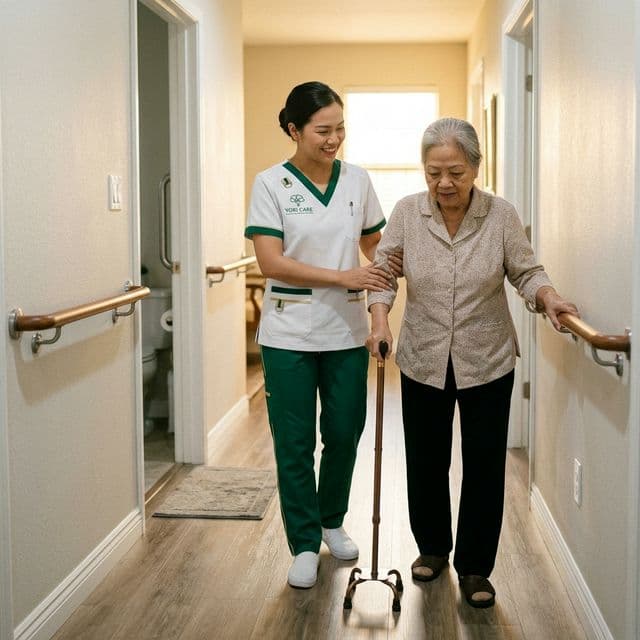
Help moving around safely and reducing the risk of falls.
Monitoring health measures as directed by the doctor.
Reminders to take medicines at the prescribed times.
Watching for unusual changes so the family can contact a healthcare provider promptly.
Providing companionship in daily life and supporting the person’s emotional well-being.
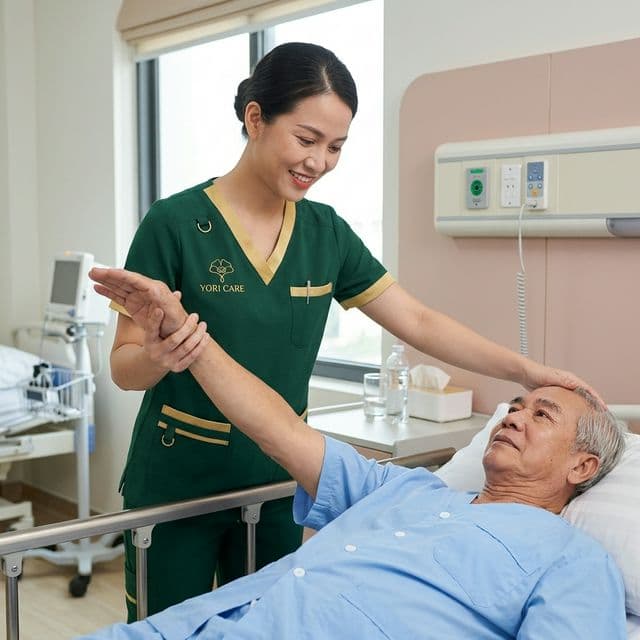
Working with the family on mobility exercises at home in Da Nang as directed by a rehabilitation professional.
Home care supports the person in everyday life. Medical examinations, treatment decisions and clinical instructions remain the doctor’s responsibility. The care team helps the person follow that plan at home.
Common challenges after a stroke
Stroke affects everyone differently. These are some of the difficulties families most often encounter.
Reduced mobility
An arm or leg may be weak, or the person may have difficulty balancing. Walking and managing everyday tasks can become harder.
Difficulty with daily activities
Familiar tasks such as dressing, bathing, eating a meal or getting into and out of a chair may now require help.
Emotional changes
Many people feel sad or anxious after a stroke, or lose confidence as they adjust to having less independence. Encouragement and companionship from family and caregivers can make a real difference.
Pressure on family members
Caring for someone after a stroke takes time, knowledge and patience. It can be particularly demanding for adult children who are also working.
When might a family consider professional home care after a stroke?
Professional support may be helpful in the following situations.
Your loved one has recently left hospital and needs someone to keep a close eye on how they manage at home.
They need help with meals, personal hygiene or moving around.
Family members cannot be there throughout the day.
They need medication reminders, health monitoring or companionship during recovery.
The family needs to work with a rehabilitation professional on mobility exercises at home in Da Nang as part of an individual plan.
The right support can ease pressure on the family and help the person keep up an exercise routine and go about daily life safely.
What matters during stroke recovery at home?
Everyone recovers at their own pace. Focus on helping your loved one recover safely and in a way that suits them.
Families can help in several ways.
Follow the doctor’s treatment instructions.
Keep scheduled follow-up appointments.
Follow the rehabilitation exercises prescribed by the specialist.
Make the home safer to reduce the risk of falls.
Encourage your loved one and support their emotional well-being.
Watch for unusual changes and contact a healthcare provider when needed.
International guidelines also recommend continued access to rehabilitation after discharge, with professionals from different disciplines working together to support recovery.
How Yori Care supports recovery
At Yori Care, we recognise that every person’s experience of stroke is different.
Alongside help with everyday tasks, our nurses work with families to monitor health, offer encouragement and help the person stay engaged in daily life.
For people who need support with mobility exercises at home in Da Nang, Yori Care develops a plan suited to their current abilities and coordinates with the relevant professionals within the scope of our services.
Our Japanese approach to care values small, steady steps and the difference they can make over time.
A perspective from Yori Care
“After a stroke, families often focus on whether their loved one can walk again. Recovery also means being able to eat independently, communicate and keep your balance. Feeling hopeful and knowing someone is there for you each day can help you rebuild confidence, step by step.”
This is why we take a person-centred approach. Each plan starts with what the person and their family need in everyday life.
Frequently asked questions
How soon can rehabilitation at home begin after a stroke?
The timing depends on the person’s health and their treating doctor’s assessment. Once they are ready for discharge or outpatient treatment, the doctor will advise on a suitable care and rehabilitation plan.
Can a caregiver take the place of a doctor or rehabilitation professional?
No. At home, nurses focus on personal care, health monitoring, help with daily activities and appropriate mobility support . For medical treatment or specialist exercises, follow the instructions of the doctor or appropriately qualified rehabilitation professional.
Does Yori Care offer care after a stroke in Da Nang?
Yes. Yori Care provides home care after a stroke in Da Nang, combining health monitoring, help with everyday tasks and support for the family throughout recovery.
Looking ahead
Recovery takes time, persistence and a supportive place to live. Following the doctor’s treatment plan, alongside daily support from family and professional caregivers, can help a person regain independence and improve their quality of life.
If you are looking for home care after a stroke in Da Nang, Yori Care offers attentive, compassionate support grounded in Japanese care practices. We value each small gain as your loved one builds confidence in life at home.
Yori Care
Find the right care for your family
Discuss your family’s care needs in a free 30-minute consultation with our team.
Book a free consultation →